Anhydrous Sodium Metasilicate vs Sodium Metasilicate Pentahydrate: Structure, Properties and Production Differences
July 26, 2026 · Technical Article
Sodium metasilicate is an important inorganic silicate compound widely used in detergents, ceramics, paper processing, metal cleaning, and construction industries. According to different crystal water contents, sodium metasilicate is mainly available in two forms: anhydrous sodium metasilicate and sodium metasilicate pentahydrate.
We produce both grades at the same plant. They differ in chemical structure, physical properties, thermal behavior, storage requirements and, above all, in how they are made and tested. This note sets out those differences from the production side.
In This Article
- Chemical structure and molecular composition comparison
- Physical property differences (density, solubility, hygroscopicity)
- Thermal behavior and stability guidance
- Industrial applications by grade
- Storage and safety; how each grade is produced and tested
- FAQ: frequently asked questions
1. Chemical Structure and Molecular Composition
Anhydrous Sodium Metasilicate
| Chemical Formula | Na2SiO3 |
| CAS No. | 6834-92-0 |
| Molecular Weight | 122.06 g/mol |
Anhydrous sodium metasilicate contains no crystal water. It generally exists in an amorphous glassy form or as fine crystalline particles. Due to its high active content, it provides a higher concentration of sodium silicate per unit weight.
Sodium Metasilicate Pentahydrate
| Chemical Formula | Na2SiO3 · 5H2O |
| CAS No. | 10213-79-3 |
| Molecular Weight | 212.14 g/mol |
Sodium metasilicate pentahydrate contains five molecules of crystallization water. The water molecules are incorporated into a stable monoclinic crystalline lattice structure and are not simply physically absorbed moisture.
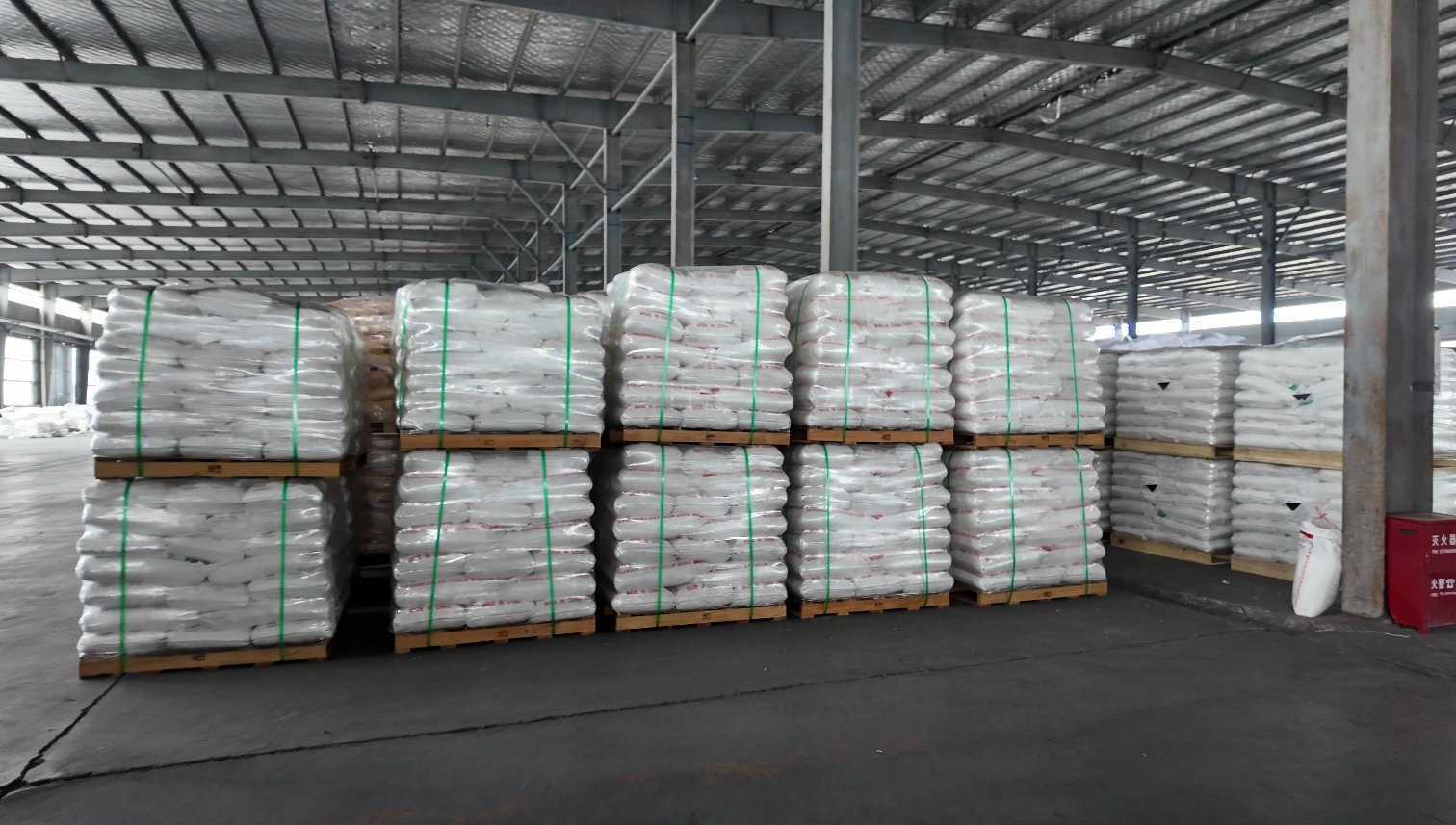
Sodium metasilicate products stored in warehouse — anhydrous and pentahydrate grades
2. Physical Property Comparison
| Property | Anhydrous Na2SiO3 | Na2SiO3 · 5H2O |
|---|---|---|
| Appearance | White powder or fine granular solid | White crystalline granules or powder |
| Density (25°C) | ≈ 2.33 g/cm³ | ≈ 2.61 g/cm³ |
| Melting / Dehydration | ≈ 1088°C (melting) | ≈ 72°C (dehydration begins) |
| Solution pH | ≈ 12.7 | ≈ 12.4 – 12.6 |
| Hygroscopicity | Highly moisture sensitive; requires sealed storage | Moisture sensitive; may cake under humid conditions |
| Thermal Stability | Excellent; maintains properties under normal heating | Dehydrates above ~100°C; converts to anhydrous form |
Active Content Comparison (Na2O) — the specification parameter checked on every COA
| Anhydrous Na2SiO3 | Approx. 51% Na2O |
| Na2SiO3 · 5H2O | Approx. 28.7–30% Na2O |
Higher Na2O content means more active alkalinity per unit weight.
3. Thermal Behavior and Stability
Anhydrous Sodium Metasilicate
Anhydrous sodium metasilicate demonstrates excellent thermal stability. It shows excellent thermal stability and maintains its chemical properties under normal industrial processing conditions, making it suitable for applications requiring elevated processing temperatures, such as high-temperature industrial cleaning, metal surface treatment, boiler cleaning systems, and glass melting processes.
Due to its absence of crystal water, it provides higher active ingredient content and better stability in temperature-sensitive formulations.
Sodium Metasilicate Pentahydrate
Sodium metasilicate pentahydrate has relatively lower thermal stability due to the presence of crystallization water. When heated, it begins losing crystallization water at approximately 70–72°C (dehydration transition, not conventional melting), undergoes gradual dehydration above 100°C, and at higher temperatures converts into an anhydrous phase.
Practical Guidance
Pentahydrate is generally not preferred for high-temperature applications due to dehydration behavior. However, at ambient temperatures, it offers excellent solubility, convenient handling, and good process compatibility — making it the preferred choice for most conventional industrial formulations.
4. Industrial Applications
Applications of Anhydrous Sodium Metasilicate
Specialty Silicate Applications
Used as an alkaline silicate source in specialty formulations where controlled alkalinity and silica content are required.
Construction Materials
Used as an alkaline activator and binder component in cement and construction material formulations, contributing to improved setting characteristics and durability.
High-Temperature Cleaning
Suitable for heavy-duty metal degreasing, industrial equipment cleaning, and boiler cleaning systems.
Concentrated Formulations
Used in concentrated detergent formulations where higher active content per unit weight is required.
Applications of Sodium Metasilicate Pentahydrate
Detergent Industry
One of the key alkaline builders in phosphate-free detergent formulations. Main functions: oil and grease removal, emulsification, soil suspension, prevention of redeposition, and pH buffering. Widely used as a phosphate-free alternative to sodium tripolyphosphate (STPP).
Ceramic Industry
Used as a deflocculant to reduce slurry viscosity and improve casting efficiency through electrostatic repulsion effects.
Paper & Textile Industries
Applied in wastepaper deinking, paper surface treatment, pulp processing, and textile pretreatment to improve bleaching stability and washing performance.
Construction & Specialty Applications
Used in acid-resistant concrete, cement accelerating systems, mortar modification, egg preservation, molecular sieve production, and metal corrosion inhibition.
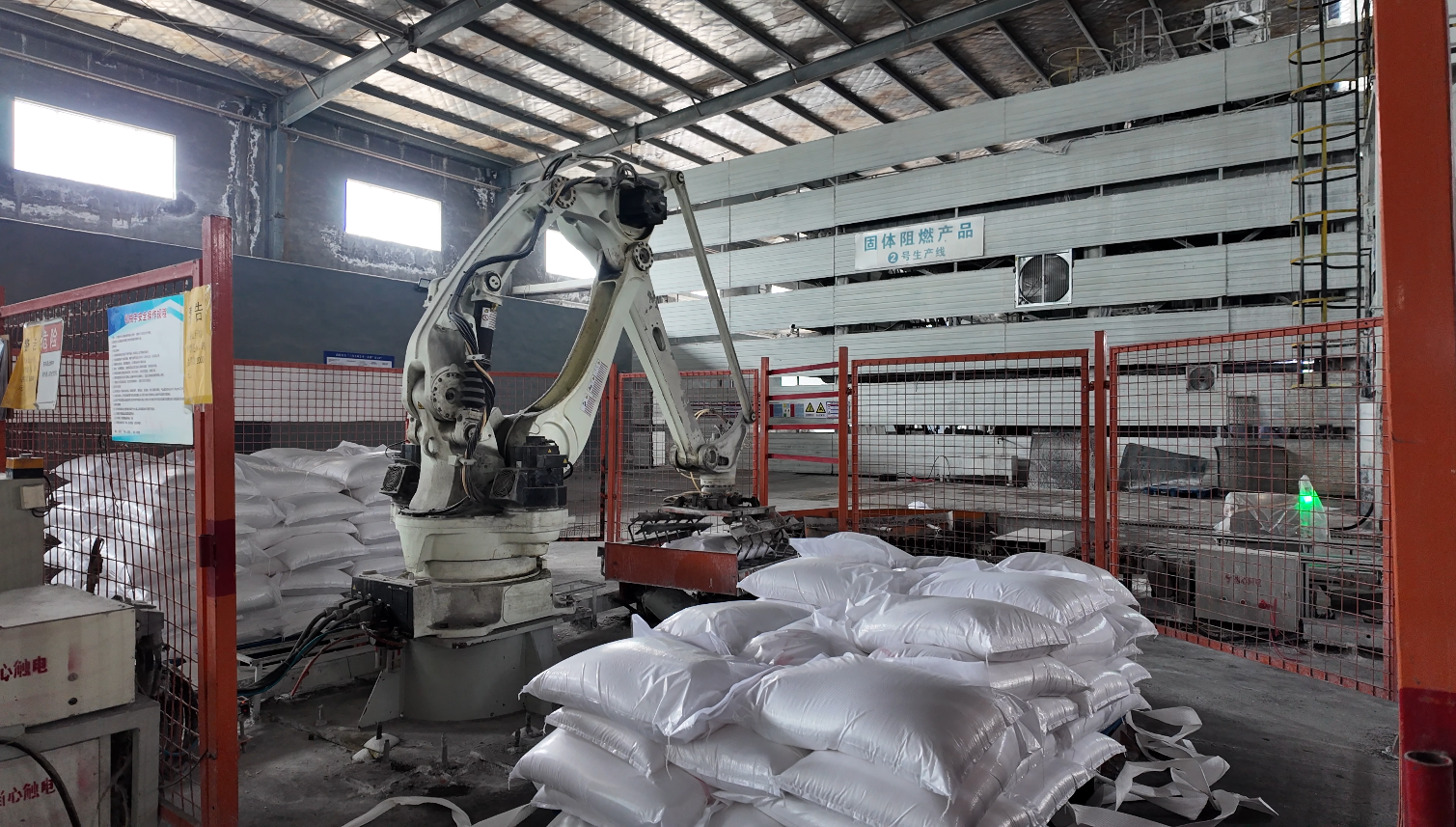
Zhongzhi Chemical production facility, Changyi, Shandong — quality documentation available for review
5. Safety and Storage Requirements
Safety Note
- Both products are strongly alkaline (aqueous solution pH > 12)
- Direct contact may cause irritation or chemical burns to skin and eyes
- Classified under GHS05 — Corrosive substances
- May react with acids and atmospheric CO2, forming silicic acid gel which causes agglomeration and performance degradation
| Storage | Anhydrous | Pentahydrate |
|---|---|---|
| Environment | Cool and dry | Dry and well-ventilated |
| Container | Tightly sealed | Strict moisture-proof packaging required |
| Key Risk | Moisture absorption causing caking | Moisture causing lump formation or partial dissolution |
| Shelf Life | 24 months (sealed, cool & dry) | 24 months (sealed, cool & dry) |
6. How the Two Grades Are Produced and Tested
Both grades start from the same intermediate: sodium silicate solution adjusted with alkali to a SiO2/Na2O molar ratio of 1.0. The routes then diverge.
| Production step | Pentahydrate | Anhydrous |
|---|---|---|
| From the modulus-1.0 solution | Crystallised as Na2SiO3 · 5H2O | Water removed completely to Na2SiO3 |
| Finishing | Dried below the dehydration point, then screened into granules or powder | Dried at high temperature, then milled or granulated |
| Critical control point | Crystal water: over-drying turns part of the lot into lower hydrates | Moisture pick-up after drying; the product is strongly hygroscopic |
| Checked on each batch | Na2O, crystal water, whiteness, dissolution, particle size | Na2O, moisture, whiteness, dissolution, particle size |
| Packing | Moisture-proof bags | Sealed, moisture-proof bags |
The economic side of the choice between the two grades (active content per ton shipped, freight per unit of alkalinity, price difference) is a purchasing question rather than a production one; it is worked through in the pentahydrate vs anhydrous buyer guide on silicatechem.com.
Frequently Asked Questions
Q1: What is the main difference between anhydrous sodium metasilicate and sodium metasilicate pentahydrate?
A: The main difference is the crystal water content. Anhydrous sodium metasilicate (Na2SiO3) contains no crystal water and provides higher active content per unit weight. Sodium metasilicate pentahydrate (Na2SiO3 · 5H2O) contains five molecules of crystallization water and offers faster dissolution and better process compatibility at ambient temperatures.
Q2: Which grade is more commonly used in detergent formulations?
A: Sodium metasilicate pentahydrate is the mainstream grade in detergent manufacturing because of its solubility and balanced cleaning performance; it is widely used as a phosphate-free alkaline builder. The anhydrous grade is used in concentrated formulations where higher active content per unit weight is required.
Q3: Which grade is suitable for high-temperature industrial applications?
A: Anhydrous sodium metasilicate is more suitable for high-temperature processes (such as metal treatment, glass melting, and boiler cleaning) due to its superior thermal stability and absence of crystal water. Pentahydrate begins dehydrating above 70–100°C and is not recommended for high-temperature use.
Q4: How should sodium metasilicate be stored?
A: Both grades require sealed packaging stored in a cool, dry environment. Pentahydrate requires stricter moisture-proof packaging due to its strong hygroscopicity. Shelf life is 24 months under proper storage conditions for both grades.
Conclusion
Anhydrous sodium metasilicate and sodium metasilicate pentahydrate are the same compound at two hydration states, made from the same modulus-1.0 intermediate by two different finishing routes. That difference in route is what produces the differences in active content, thermal behavior, hygroscopicity and storage described above.
Sodium metasilicate pentahydrate remains the mainstream choice for detergents, ceramics, paper, and textile industries due to its cost efficiency and excellent solubility. Anhydrous sodium metasilicate is preferred for high-performance applications requiring higher active content, improved thermal stability, and reduced water content.
Both grades provide strong alkalinity, excellent cleaning performance, and versatile silicate chemistry for industrial applications worldwide.
Shandong Zhongzhi Chemical Technology Co., Ltd. manufactures both anhydrous sodium metasilicate and sodium metasilicate pentahydrate in Changyi, Shandong. For TDS, SDS, batch COA or technical questions about either grade, contact the factory or read about our manufacturing capability.
SodiumMetasilicate · AnhydrousSodiumMetasilicate · SodiumMetasilicatePentahydrate · DetergentBuilder · IndustrialChemical · AlkalineCleaningAgent · SilicateManufacturer · ChemicalComparison · ProductionProcess
Related Articles
Plant Packaging Moisture Control: Bags and Jumbo
Sep 30, 2026
Silicate Plant Batch QC: Checkpoints Before Packing
Sep 30, 2026
Yellow Powder at Destination: The Plant Checks the COA First
Sep 29, 2026
Spec Sheet vs Batch COA: A Modulus Window the Plant Treats as Final
Sep 29, 2026
Anhydrous or Pentahydrate: The Factory Counts Effective Solids Before It Quotes
Sep 29, 2026